Discovering Manotick: Ontario's Historic Village Treasure

This post covers what makes Manotick worth knowing about—whether you've lived here for decades or you're considering putting down roots. From the working mill on the Rideau to the community events that actually bring neighbours together, here's what defines life in this corner of Osgoode Ward.
What Makes Manotick Different From Other Ottawa Suburbs?
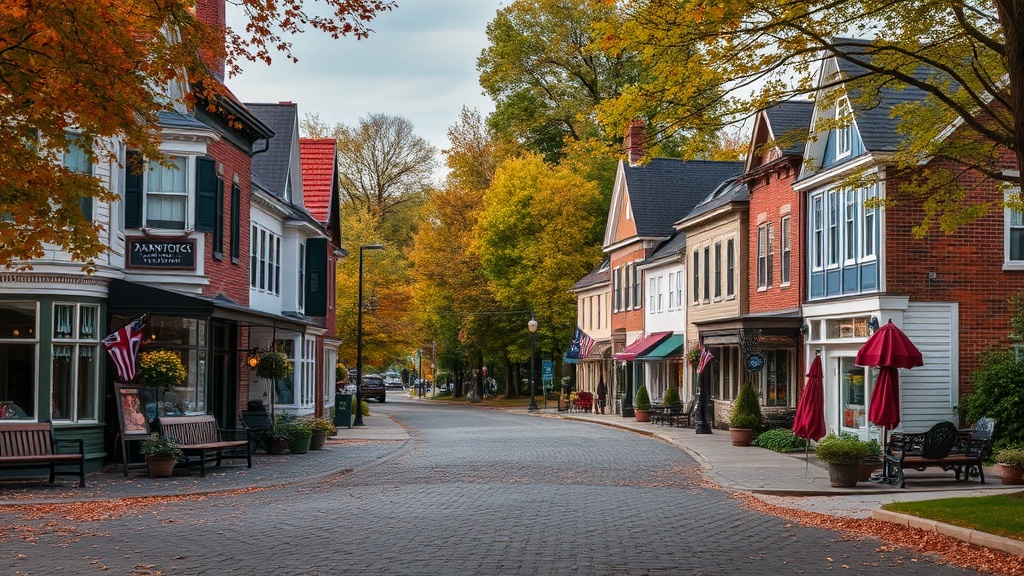
Manotick isn't a suburb—not really. It's a village that got swallowed by the city back in 2001, and it never quite lost its identity. The moment you cross the bridge over the Rideau River (or exit the 416 at Roger Stevens Drive), the vibe shifts. Trees outnumber streetlights. You'll see more pickup trucks than BMWs. And people actually wave.
The village was founded in the 1850s around Moss Kent Dickinson's grist mill—now the Watson's Mill—and that structure still dominates the downtown core. Dickinson's original plan was ambitious: he wanted Manotick to become a major industrial centre. That didn't happen, which turned out to be a blessing. Instead of factories, we got preserved limestone buildings, a tight-knit community, and enough green space that you can still see stars at night.
Here's the thing about Manotick's layout—it's genuinely walkable in a way that newer developments rarely achieve. Dickinson Street, the main commercial strip, runs parallel to the river for about six blocks. You can park once and hit the post office, the grocery store, the pharmacy, and a decent coffee shop without moving your car. Try doing that in Barrhaven.
The catch? Manotick's popularity has created some real tensions. Housing prices have climbed steadily (the average detached home now runs well above the Ottawa median), and longtime residents grumble about "city people" moving in for the charm while complaining about the lack of amenities. Traffic on Bank Street during rush hour backs up past the golf course. The village is growing, and not everyone agrees on what that growth should look like.
What Local Services and Amenities Does Manotick Actually Have?
More than you'd expect for a village of roughly 5,000 people—but fewer than you'd want if you're used to urban convenience. Manotick's commercial core centres on Dickinson Square and the strip along Bank Street south of the bridge.
Day-to-day essentials are covered. There's an Independent grocery store on Bridge Street, a Shoppers Drug Mart, a TD bank branch, and a Canada Post outlet. The Manotick Public Library on Lion's Park Drive runs programs for kids, seniors, and everyone between. Medical services include the Manotick Medical Centre and several dental clinics.
Worth noting: you'll drive for anything specialized. There's no hospital in Manotick—the closest are Queensway-Carleton in Nepean or the Ottawa Hospital's General campus, both 20-25 minutes away in good traffic. Big-box shopping means heading to Barrhaven's Strandherd Drive (15 minutes) or South Keys (25 minutes). If you need a 24-hour pharmacy or emergency vet, you're leaving the village.
| Amenity | Location | Notes |
|---|---|---|
| Grocery | Independent (Bridge St.) | Full service, decent produce, higher prices than Loblaws |
| Banking | TD Canada Trust | Full branch with advisors; no BMO or RBC in village |
| Medical | Manotick Medical Centre (Bank St.) | Family practice accepting patients; walk-in hours limited |
| Library | Ottawa Public Library (Lion's Park Dr.) | Modern facility, strong children's programming |
| Hardware | Manotick Lumber (Bank St.) | Local institution; more expensive but knows its stuff |
| Fuel | Ultramar, Esso (Bank St.) | Two options; prices typically match city averages |
That said, Manotick compensates for what it lacks with what it preserves. The Manotick Village and Community Association runs Dickinson Days every June—a festival that closes the streets, brings in local vendors, and reminds everyone why they put up with the commute. The Mill Theatre hosts community theatre productions that are surprisingly competent. And on summer evenings, half the village seems to end up at Manotick Marina or walking the dam at Watson's Mill.
Where Are the Best Neighbourhoods to Live in Manotick?
Depends on your budget—and your tolerance for development pressure. Manotick's housing stock breaks down into three rough categories: historic village homes near the mill, 1970s-90s subdivisions south of Bank Street, and newer infill developments that keep popping up on former farmland.
The original village core—roughly bounded by the river, Church Street, Beaver Ridge, and Manotick Main Street—features limestone and brick homes dating back to the 1860s-1920s. These properties carry heritage designation restrictions, which means you can't just tear them down and build something bigger. Prices here are premium; you're paying for character and location. The trade-off? Small lots, aging infrastructure, and tourists peering into your garden during Dickinson Days.
South of Bank Street, the Mahogany and rural-estate zones offer larger lots—some half-acre to multi-acre parcels. These areas developed from the 1970s through the 1990s, so you're looking at split-levels, bungalows, and early two-storey designs rather than current architectural styles. The lots are treed, the streets quiet, and the neighbours tend to stay put. Many of these homes have been renovated rather than replaced.
Then there's the new construction—developments like Long Island Village and various infill projects along Roger Stevens Drive. These homes are larger, more energy-efficient, and built to modern codes. They're also built closer together, and they lack the mature landscaping of older neighbourhoods. Some longtime residents view these areas as "not real Manotick"—a snobbish distinction, maybe, but one that reflects genuine anxiety about the village's character changing.
The public school situation matters here. Manotick Public School (K-6) and St. Mark Catholic School serve the village. For grades 7-12, students typically attend Osgoode Township High School—a 15-minute bus ride south. The school isn't academically competitive with Ottawa's top-ranked high schools, which drives some families toward private options or moving closer to the city.
What's the Reality of Daily Life in Manotick?
You'll need a car. Full stop. While the village core is walkable, most errands require driving, and public transit options are limited. OC Transpo runs Route 99 from Manotick to Barrhaven Centre and Fallowfield Station, but service is infrequent—roughly every 30-40 minutes during peak times, hourly or worse off-peak. If you work downtown, you're looking at a drive-plus-Park&Ride commute or a very long bus ride.
Winter changes things. The Rideau River freezes solid; snowmobile trails connect to the village (legally or otherwise). The Mill ice rink opens for public skating when conditions allow. And the roads—many of which are rural concessions rather than proper city streets—can stay messy longer than Ottawa proper. Manotick sits at a slightly higher elevation than the Ottawa Valley, which means it sometimes gets more snow and keeps it longer.
Summer, though—that's when Manotick earns its keep. The Rideau River becomes the main attraction: boating at the marina, fishing below the dam (watch for the warning signs), kayaking through the wetlands. The Rideau Valley Conservation Authority maintains trails at nearby Baxter Conservation Area and the Long Island Lock Station. Dickinson Square fills with patio diners and weekend shoppers. It almost justifies the winter inconvenience.
Community involvement happens here—not through apps or Facebook groups (though those exist), but through actual organizations you can join. The Village Association. The Men's Bridge Group (meets Wednesdays, newcomers welcome). The Manotick Curling Club, which runs a surprisingly competitive mixed league. The United Church and St. Leonard's Parish remain active community anchors even for non-attendees—their halls host everything from election debates to craft sales.
If you're considering Manotick, visit on a Tuesday morning and a Saturday afternoon. Tuesday shows you the working village—the commuters, the seniors doing their shopping, the contractors grabbing coffee. Saturday shows you the social version—families at the park, boats on the river, the farmers' market pop-up when it's running. Both are real. Neither tells the whole story. Manotick's complicated that way—and that's exactly what keeps people here.