Finding the Best Seasonal Produce at Manotick Farmers Markets

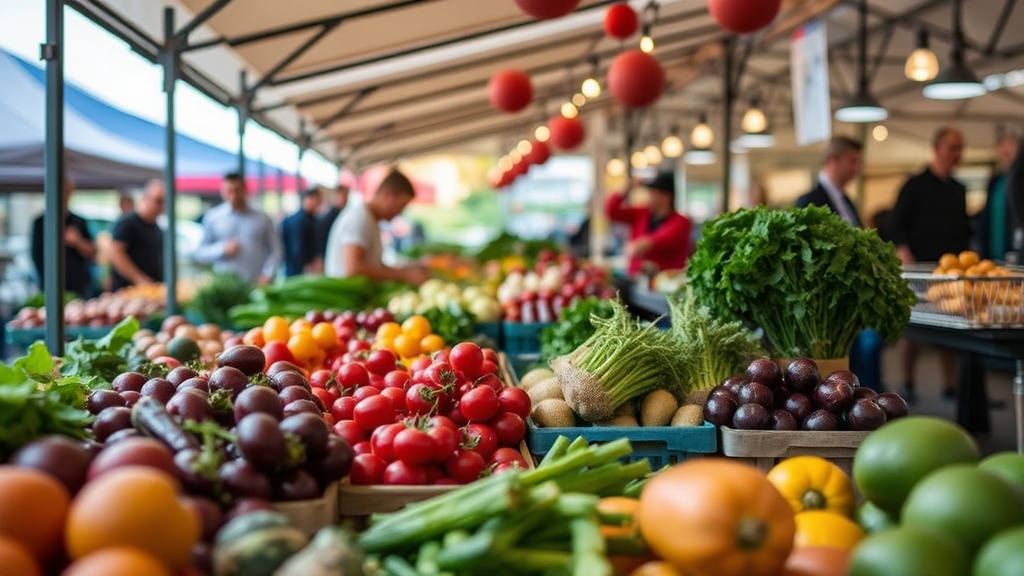
The morning air in Manotick carries a specific crispness this time of year, especially when the mist sits low over the Rideau River. You walk toward the market stalls and see the deep purples of heirloom carrots, the bright greens of snap peas, and the heavy, sun-warmed weight of local peaches. This guide focuses on how to identify, shop, and enjoy the best seasonal produce available at our local markets throughout the different seasons in the Ottawa Valley. Knowing what to look for ensures you aren't just buying food, but actually investing in the highest quality nutrition available in our corner of Ontario.
The local food system here in the Ottawa-Napanee region is incredibly tight-knit. When you buy a pint of strawberries at a stall near the village, you're often buying directly from a farm just a few kilometers away. It's a different experience than the grocery store-aisle reality. You get better flavor, better nutrients, and a much shorter supply chain.
What is in season in Manotick right now?
The availability of produce depends entirely on the current month and the local growing cycle of the Eastern Ontario climate. In the spring, you'll find hardy greens and radishes; in the summer, the heavy hitters like sweet corn and berries arrive; by autumn, the focus shifts to hearty squashes and apples.
It helps to keep a rough mental calendar of what to expect. Most local growers follow a predictable pattern based on the frost-free dates in Ontario. If you want to see the official growing seasons for various crops, the Wikipedia page on growing seasons provides a great scientific baseline for how temperature affects crop availability.
- Spring (May - June): Asparagus, spinach, radishes, and early salad greens.
- Summer (July - August): Sweet corn, strawberries, blueberries, tomatoes, cucumbers, and zucchini.
- Autumn (September - October): Apples, pumpkins, butternut squash, and root vegetables like parsnips.
- Winter (November - April): Mostly preserved goods like jams, pickles, and hard squashes, or specialized indoor-grown greens.
One thing I've noticed is that the quality of tomatoes in July is incomparable to anything you'll find in a standard supermarket. They are heavy, warm, and actually taste like something. If you're planning a meal with these ingredients, you might want to consider planning a perfect picnic near the Rideau Canal to enjoy your fresh haul outdoors.
How much does local produce cost compared to grocery stores?
Local produce prices fluctuate based on harvest yields and seasonal demand, often aligning closely with or slightly above standard grocery store prices for premium items. While a head of lettuce might seem more expensive at a market than at a big-box retailer, you are paying for the lack of transport-related degradation and the support of local agriculture.
Think of it this way: you aren't just paying for the food. You're paying for the fact that this tomato didn't sit in a shipping container for three days traveling from California. That's why the flavor is better. It's a trade-off between sheer volume and quality.
| Produce Item | Typical Market Price (Seasonal) | Quality Expectation |
|---|---|---|
| Sweet Corn | $0.50 - $1.00 per ear | High (Sweet and juicy) |
| Strawberries | $4.00 - $6.00 per pint | Peak ripeness |
| Heirloom Tomatoes | $5.00 - $8.00 per kg | Rich, varied flavors |
| Local Honey | $10.00 - $15.00 per jar | Unfiltered, local pollen |
I always suggest bringing more cash than you think you'll need. While many vendors are moving toward digital payments, some smaller operations still prefer the simplicity of cash for small transactions. It's also worth noting that many vendors offer a discount if you buy in bulk—like a full bushel of apples rather than just a single bag.
How do you pick the best fruit and vegetables?
Selecting the best produce requires using all your senses—sight, smell, and touch—to ensure you're getting the most value. You want to look for signs of freshness and avoid anything that shows signs of bruising or over-ripeness.
When it comes to berries, don't just look at the color. Smell them. A strawberry should smell like a strawberry, not like nothing. If it has no scent, it was likely picked too early and won't develop much sweetness in your kitchen. If you're looking for more technical advice on food safety and quality, the Government of Canada food safety resources are excellent for understanding how to handle fresh goods.
The Berry Test
Berries are the most delicate item you'll buy. If you see any white fuzz or juice leaking from the bottom of the container, leave it. A little bit of moisture is fine, but any sign of mold means the whole batch is compromised. Buy them in small amounts so you can eat them before they turn.
The Root Vegetable Rule
For things like carrots, beets, or potatoes, look for firmness. If a carrot feels limp or rubbery, it's old. You want something that feels heavy for its size and has a tight, crisp texture. This is a sign that the moisture content is still high.
The Tomato Tactic
Never, ever put your fresh market tomatoes in the fridge. It ruins the texture and kills the flavor. Keep them on the counter. When shopping, look for tomatoes that are heavy for their size and have a deep, consistent color. If they feel soft or "squishy," they're past their prime.
If you find yourself with a surplus of fresh goods, don't forget that many of these items can be preserved. Making your own preserves or even just roasting vegetables is a great way to stretch your market budget.
When is the best time to shop the markets?
The best time to shop for the widest selection and the best prices is early in the morning, right when the stalls open. This is when the produce is freshest and the most desirable items haven't been picked over by other shoppers.
If you're looking for the absolute best deals, go about an hour before the market closes. Vendors are often more willing to negotiate or offer "end-of-day" discounts to clear out their inventory so they don't have to haul it back to the farm. You might find a deal on a large bag of greens or a box of berries that's significantly cheaper than the morning price.
However, there's a trade-off. If you go late, you might find the best items—the prettiest peaches or the perfect heirloom tomatoes—are already gone. It's a bit of a gamble. If you want the "display quality" items, get there early. If you want the "bargain" items, get there late.
One thing to keep in mind is the weather. In Manotick, a rainy Saturday can drastically change the market dynamic. If the weather is clear, expect crowds. If it's overcast, you might have the place to yourself, but the selection might be thinner. I've found that even on a cloudy morning, the coffee from a local vendor makes the trip worthwhile. If you're looking for a quiet moment, check out these hidden gem coffee spots in Manotick to pair with your morning market run.
The beauty of the Manotick area is the way we support our neighbors. When you buy that jar of honey or that bunch of kale, you're keeping the local economy moving. It's more than just a grocery trip; it's a way to stay connected to the land we live on.
Steps
- 1
Check the Seasonal Calendar
- 2
Arrive Early for Best Selection
- 3
Bring Reusable Bags
- 4
Bring Cash for Small Vendors