How to Grow a Productive Vegetable Garden in Our Heavy Manotick Soil

This guide explains the exact steps you need to take to establish a successful vegetable garden right here in Manotick, focusing specifically on our heavy clay soil and the unique microclimate created by the Rideau River. You’ll learn how to prep your ground, which crops thrive in our local zone, and how to keep the hungry deer from treating your hard work like a free buffet.
Why does Manotick soil require special attention?
If you’ve lived in Manotick for more than a single season, you know that our ground isn't exactly a gardener’s dream right out of the gate. Much of the village sits on heavy Leda clay—a remnants of the ancient Champlain Sea—which means it holds water like a sponge and turns into concrete the moment the July sun hits it. This clay is packed with minerals, which is great, but its density makes it hard for delicate roots to expand. We’ve all seen the cracks that form in our yards during a dry spell; those same cracks can tear the roots of your tomatoes if you aren't careful.
To fix this, you shouldn't just dig a hole and drop a plant in. You need to work in a lot of organic matter. We’re talking compost, aged manure, or even shredded leaves from last fall. This organic material breaks up the clay particles and allows for better drainage. Without it, your plants will likely suffer from "wet feet" during our rainy spring weeks, leading to root rot before the season even gets going. It’s also important to remember that our proximity to the river means our soil temperature stays a bit cooler for longer in the spring—so don't be in too much of a rush to get those heat-loving peppers in the ground.
What tools do you need to start a garden in Manotick?
You don't need a massive tractor to get started, but a few specific tools will make working our heavy earth a lot easier. A sturdy garden fork is better than a spade for our clay. Instead of slicing through the dirt and compacting it further, a fork allows you to lift and loosen the soil without destroying its structure. You’ll also want a high-quality hoe for weeding, as the weeds in Manotick—especially the creeping charlie and dandelions—seem to grow twice as fast as anywhere else in Ontario.
For supplies, we’re lucky to have Manotick Home Hardware right on Main Street. They usually carry the specific soil amendments and heavy-duty tools that can handle our local conditions. I’ve found that their staff actually understands the "Manotick clay struggle" and can point you toward the right bags of peat moss or perlite to help with aeration. When you’re picking up your seeds or seedlings, try to find varieties that are rated for Zone 5b or 6a. While some parts of Ottawa are strictly Zone 5, our village often feels a bit more sheltered, though the wind coming off the water can still be a factor. Check out the City of Ottawa native plants guide for ideas on what naturally thrives in our local ecosystem.
How do you protect your Manotick garden from local wildlife?
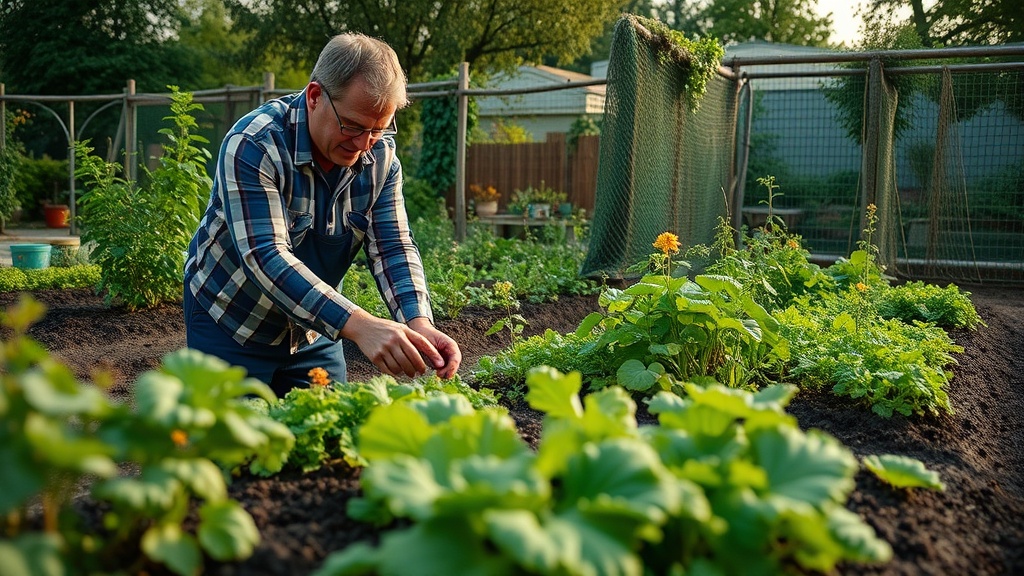
This is where most Manotick gardeners lose their minds. Our community is beautiful because of the nature surrounding it, but that nature is very hungry. The deer population in the village is bold—I've seen them wandering right down Tighe Street in broad daylight. If you think a small decorative fence will stop them, you’re in for a surprise. A deer can easily clear a six-foot fence if they’re motivated by fresh lettuce. You’ll need either an eight-foot barrier or, more practically, a covered garden bed or individual cages for your most prized plants.
Groundhogs and rabbits are the other major players in our local garden drama. They love the soft soil of a freshly tilled garden bed. Using hardware cloth (a fine wire mesh) buried about six inches into the ground around your perimeter is the best way to keep them from tunneling under your fence. It’s a bit of extra work during the setup phase, but it saves a lot of heartbreak in June. Also, consider the Rideau Valley Conservation Authority resources if you’re gardening right on the waterfront, as there are specific rules about what kind of fertilizers and barriers you can use near the shoreline to protect the health of the Rideau River.
When it comes to timing, the Manotick Farmers' Market is a great barometer for when to start. When you see the local growers bringing out their starts, it’s usually safe to follow suit. Typically, we don't put out the sensitive crops like cucumbers or squash until after the May long weekend. Even then, I’ve seen late frosts hit the low-lying areas of the village as late as early June. Keeping some old sheets or frost blankets handy is a smart move for any Manotick gardener. We've lived through enough weird spring weather here to know that a sunny afternoon can turn into a freezing night in a matter of hours.
Success in a Manotick garden comes down to patience and soil prep. Don't fight the clay—work with it by adding life back into it every single year. Use the compost from your green bin, mulch your paths to keep the moisture in, and talk to your neighbours. Most of us who have been gardening in the village for a decade or more have figured out the little quirks of our specific streets. Whether you’re over in the Long Island area or closer to the village core, there’s a real satisfaction in eating a dinner that came entirely from your own backyard soil.